Sweden’s Cost of Living in 2026: The Real Numbers
Sweden is expensive, without a doubt, but paradoxically, it isn’t unaffordable for those living and working here. Today, I am here to help you with on-the-ground data in terms of anticipated monthly expenses, so you can better understand the big picture.
If you are planning a move to Stockholm, Gothenburg, or anywhere in between, you need accurate numbers, not guesses. The reality of living here is a mix of high upfront costs balanced by high salaries and a safety net that usually works great.
Note: Also, although Sweden’s currency is the SEK (Swedish Krona), I will list all the prices below in Euros, since it will be easier to relate to that. I use a rate of 1 EUR = 10.60 SEK.
To give you the bottom line immediately: For a single person, monthly expenses average around €2,500. A couple can expect to spend about €4,250, while a family of four will likely see costs around €5,000 per month.
These estimates cover rent, food, transport, and standard bills. Depending on your lifestyle, these figures can climb steeply. A night out in Stockholm or a penchant for imported wines will wreck that budget fast, for example.
Below, I’ve broken down exactly where your money goes, updated with the real prices we are seeing this year.
Rental prices in Sweden
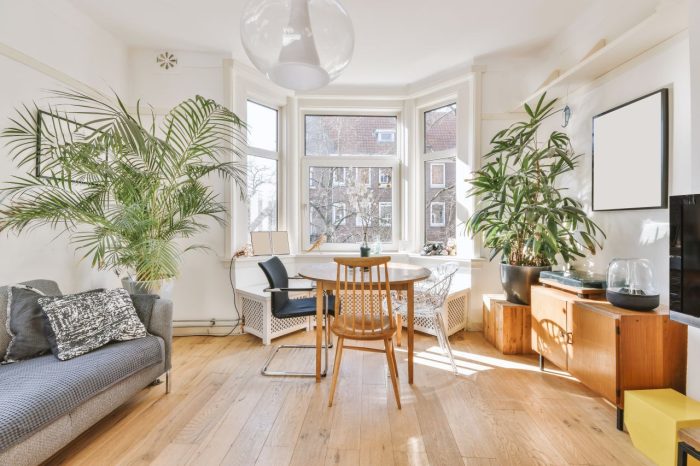
Out of all your monthly expenses, accommodation will probably be the biggest one. Renting is not cheap in Sweden and prices for buying property are even higher. But we’ll stick to rentals for now. Also keep in mind that finding a place, especially in major hubs like Stockholm, is notoriously difficult due to the housing shortage.
There is a massive difference between “first-hand” contracts (controlled, cheaper rents, but require years in a queue) and “second-hand” rentals (subletting, which is what most expats use). The prices below reflect the second-hand market, which is likely what you will face.
- Shared room in an apartment: around €650/month
- 1-bedroom apartment (live alone): €1,200 – €1,500 per month (higher in Stockholm city center)
- 2-bedroom apartment: around €2,000 /month
Generally, prices are higher in the largest cities in the country, like Stockholm, Gothenborg and Malmo. If you choose a smaller city like Örebro or Umeå, you can shave about 20% to 30% off these rental prices.
Costs for Utilities
Until relatively recently, utility costs were usually included in rent, but the energy price volatility of the last few years changed the landscape and now they are, in most cases, separate expenses.
But make sure to check this before signing the agreement: sometimes, just some of the utilities will be included, sometimes all, and sometimes none.
If you need to pay separately, here are the typical costs:
- Electricity: €40 – €80 per month. This depends heavily on whether you have district heating (cheaper) or electric heating, and how harsh the winter is (it’s usually harsh!)
- Internet: €30 – €40 per month. Sweden has excellent, high-speed infrastructure, and competition keeps these prices reasonable.
- Mobile Plan: €25 – €30 per month for unlimited calls and generous data (20GB+).
- Home Insurance (Hemförsäkring): €15 – €20 per month. This is basically mandatory. Most landlords require it, and it protects your liability and belongings.
Utility costs in Sweden are lower than in the other Nordic countries. If you’re curious to check them out as well, read below:
- Cost of living in Norway
- Cost of living in Denmark
- Cost of living in Finland
- Cost of living in Iceland
Back to the utilities, keep in mind that electricity and heating costs can easily explode if you keep temperatures tropical inside while there’s -20 degrees Celsius outside.
Food Costs in Sweden

Food is delicious in Sweden, but usually expensive. After rent, food expenses are the second biggest drain on your monthly budget. Even cooking at home is expensive here compared to other countries, but at least salaries in Sweden are competitive.
Supermarket prices have risen noticeably over the last two years. While basics like milk remain reasonable, items like coffee, olive oil, and fresh vegetables in winter have become luxury goods.
With eating out maybe once a week, I estimate a single person will spend at least €660 per month on food. A couple will spend around €1,100.
Let’s look at some actual prices for some things you can buy in supermarkets in Sweden:
- 1 Liter of milk – €1.40
- 1 Loaf of bread – €2.40 – €3.00
- 12 eggs – €4.20
- Local Cheese (1kg) – €13 (although prices vary a lot)
- Chicken breasts (1kg) – €15
- Potatoes (1kg): €1.5
- Tomatoes (1kg): €5.00
- Apples (1kg): €3.1
- Bananas (1kg): €2.50
- Oranges (1kg): €2.50
- Bottled water (1.5 liters): €1.80
- Beer (330ml can, store-bought): €2.00
- Wine (store-bought): €15 (prices vary a lot here as well, consider the listed one as the average)
- Packet of Coffee (500g): €15.00 and up (Coffee is essential here, but prices went up a lot recently)
Seasonality comes into play here, with prices going up during the winter and down during the summer and especially autumn, at least when it comes to vegetables.
Costs of eating out in Sweden
Restaurants in Sweden are pricey due to high labor costs – the staff are paid a living wage, which is great for society but hard on your bill. However, there is a “hack” to eating out in Sweden that every local knows: Dagens Lunch.
This is the “Daily Menu” which is usually offered on weekdays between 11:00 AM and 2:00 PM, costing around €15 this year and including a main dish, salad buffet, bread, water, and coffee. It is the most economical way to enjoy restaurant food.
If you go out for dinner or on weekends, expect to pay significantly more:
- Dinner for 2 (mid-range restaurant, no alcohol): 60 – 90 Euros
- Meal for 2 in a better restaurant, with drinks included: 120 Euros and up
- Beer in a restaurant: 9-12 Euros
- Bottle of juice: 3 Euros
- Cappuccino or Latte: 4.5 Euros
- Falafel wrap (to go): ~10 Euros
If you like what you see and you’re preparing to move here, I recommend reading about Swedish culture and what makes the beautiful blond Swedish look.

Transportation & Other Expenses
There are many other expenses that you will have each month, and these are pretty difficult to estimate as they vary greatly based on needs and personal shopping preferences.
Buying new clothes, consumables, maybe going to the gym or a theater or cinema, plus transportation-related costs are some of these expenses and they can be kept to a minimum or break your budget.
I will list below some of the prices you should expect to be paying in Sweden for various things and services:
- Single Ticket (75 minutes): ~€4.00
- Monthly Public Transport Pass (Stockholm): ~€100
- Gasoline: €1.75/liter
- Movie ticket: €15.00
- Gym Membership (1 month): €30 – €60 per month.
- Union & Unemployment Fund (A-kassa): ~€30 per month. If you are working here, joining a union and the unemployment fund is your safety net if you lose your job.
There might also be unexpected expenses, so try to have an emergency fund. Sweden is almost entirely cashless, so make sure your bank cards are ready for these transactions.
Total Monthly Expenses in Sweden
Let’s do the final math for 2026! This is the realistic cost of living for a single person renting a one-bedroom apartment in a major city.
Rent & Utilities (internet & TV included): €1,450 / month
Food, Eating out & Household items: €700 / month
Transport: €100 / month
Entertainment, Gym & Misc: €250 / month
____________________
TOTAL: 2,500 Euros / month
These costs represent a decent, comfortable life – not luxury, but not struggling either. Couples and families benefit from economies of scale, paying less per person.
The numbers above are for a single person’s monthly expenses, with the note that couples and families will end up paying less per person per month.
Why is Sweden so expensive?
While living in Sweden is expensive compared to other countries in Europe, we have to note that the salaries are also generally higher and the quality of life is great.
You are also paying for a society that functions incredibly well. Free university education, heavily subsidized childcare (maxed at roughly €150/month regardless of how many kids you have), and nearly free healthcare once you hit the low annual ceiling (high-cost protection) are part of the deal.
These all make it easier to understand why you end up spending more than you would in Belgrade, for example – or Cebu, in the Philippines.
You spend more than you would in other parts of the world, but the quality of life, work-life balance, and social security you get in return are, for many, worth every cent.
Wrapping up
Now you have a much clearer view of what it costs to live in Sweden, no matter if you’re living alone, are part of a couple or have a larger family.
I’d love to hear from those who already live in Sweden – your insights help everyone get a more complete understanding of the real costs. Feel free to share your monthly expenses or any surprises you encountered. Your experiences can help paint a more complete picture for others considering life in Sweden.




Thank you very much for the information. It is very important to know this for me, as a novice traveler.
Indeed, the cost of living in a country is the first thing I research as well before traveling.
The price examples for Sweden is very misleading. This must be based on very old information.
Sven, it would be really helpful if you could share some numbers to compare and maybe help us update to current numbers. With the growing inflation, it is a bit of challenge indeed to keep up with the current prices 🙂